First “Letter from Gozo” of the year, by our Meditteranean correspondents, Simon and Mary Wallace…
Following winter rains, the fields of Gozo are transformed into carpets of yellow flowers by Oxalis pes-caprae (Latin). Bermuda Buttercup or Cape Sorrel in English and Ħaxixa Ingliża in Maltese.
It probably can be considered as the most abundant wild plant flowering on the Maltese Islands during January and February. The plant has perennial bulbous roots which remain alive all year round and produce many small peanut-sized, brown bulbs called bulbils, each giving rise to a new plant. Oxalis propagates largely through these underground bulbs and this is one reason why it is so difficult to eradicate from farmland, as pulling up the stems still leaves the bulbs behind (but is a very welcome addition to my compost bins, and the chickens like the leaves too!).


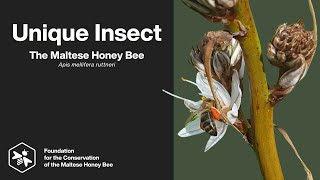
The leaf stalks bear a single compound trifoliate leaf (made of 3 leaflets) which are the shape of an inverted heart. Some have dark purple speckles on the leaves. The stalks carry 6 to 12 trumpet-shaped flowers, with each flower consisting of 5 distinctive bright yellow petals. The flowers are attractive to our neighbour’s honey bees and other pollinating insects, such as Carpenter Bees and Hoverflies.
The plant is believed to have spread quickly following the introduction of 1-2 dozen of plants in the beginning of the 19th century. Oxalis pes-caprae is often called by the common name ‘Soursop’ due to its upleasant sour flavor caused by the exceptionally high content of oxalic acid.
Simon & Mary
Gozo