Bongu from the Maltese Island of Gozo
After what felt like an endless summer, significant rainfall finally arrived on the island in the last month or so. Heavy downpours typically came in the form of dramatic thunderstorms. In their wake, the island’s landscape and scenery were transformed by the rain, which resulted in a mass germination of annual weed seeds and the emergence of dormant perennial plants and trees, leading to the ‘greening of Gozo’.
With the arrival of the rains, a variety of visiting birds have appeared. Some are merely passing through, such as the flocks of European Bee-eaters and Swallows, which are enjoying the feast of flying insects before continuing their journey to Africa. In the fields among the trees, we have spotted Sardinian Warblers, Black Redstarts, and several returning Robins. Mornings now feature a bit of a bath-time queue, as birds line up to take a dip in the water-filled terracotta dishes on the wall. An extended family of Spanish Sparrows, which live in Gozo year-round, joins them. On the house roof, a male Blue Rock Thrush (il-Merill), and Malta’s National Bird, has taken to singing in the late afternoon, proclaiming the area as his territory. (See https://era.org.mt/wp-content/uploads/2019/
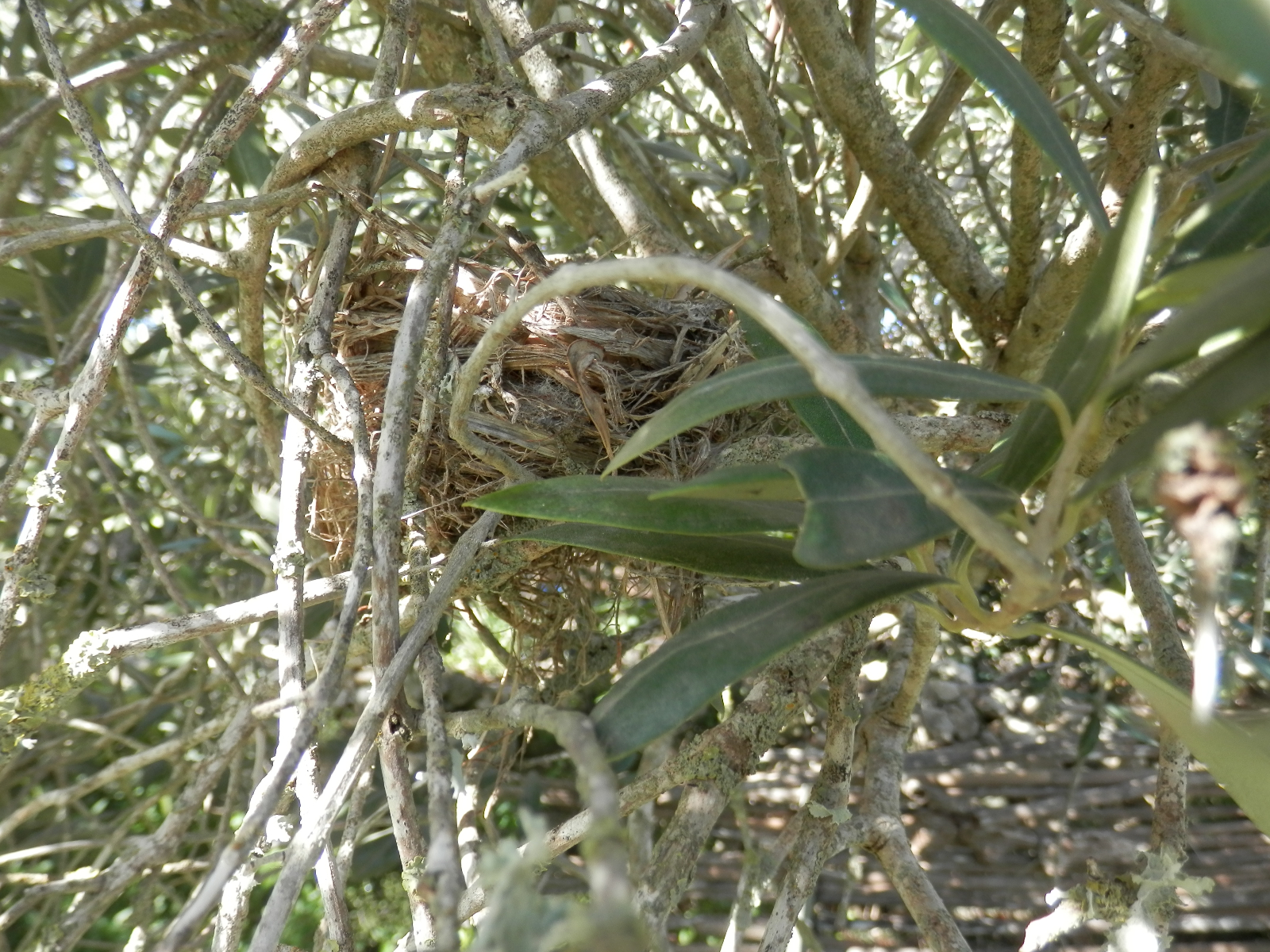
Whilst pruning back some olives trees I came across a tiny, well-constructed nest towards the end of a branch – I’m thinking this was home to the Sardinian Warblers that sounded the alarm if we ever went too close to the nearby compost bins earlier in the year.
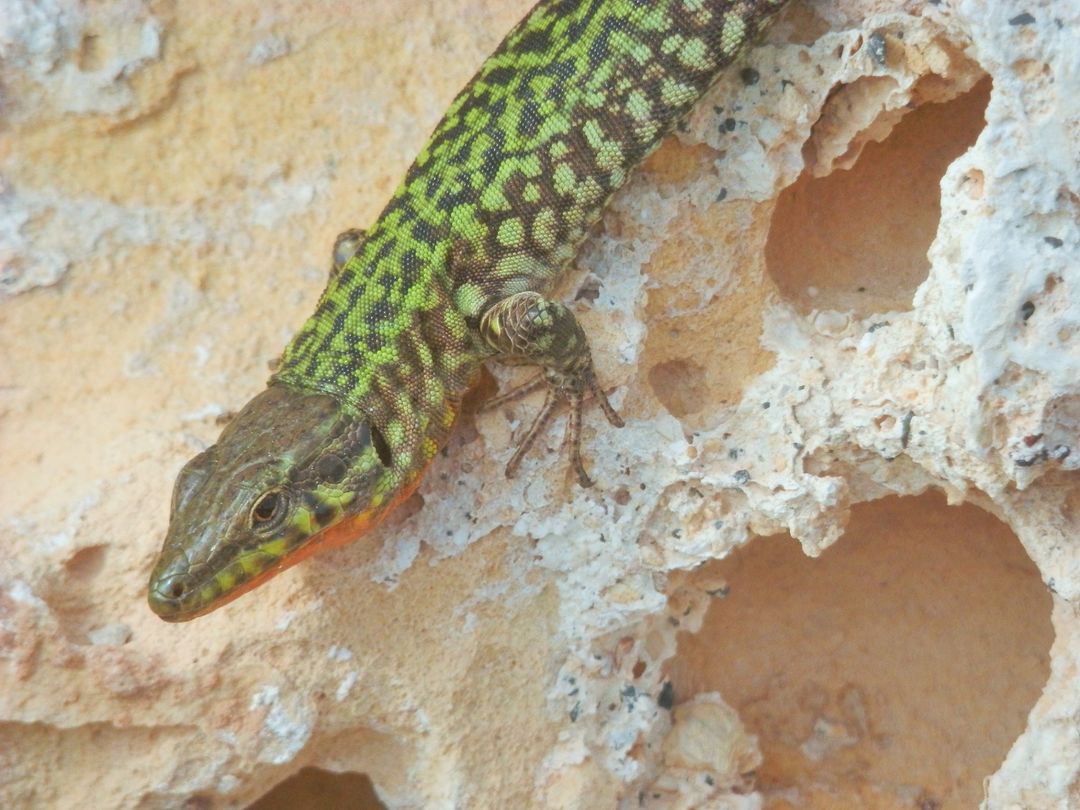
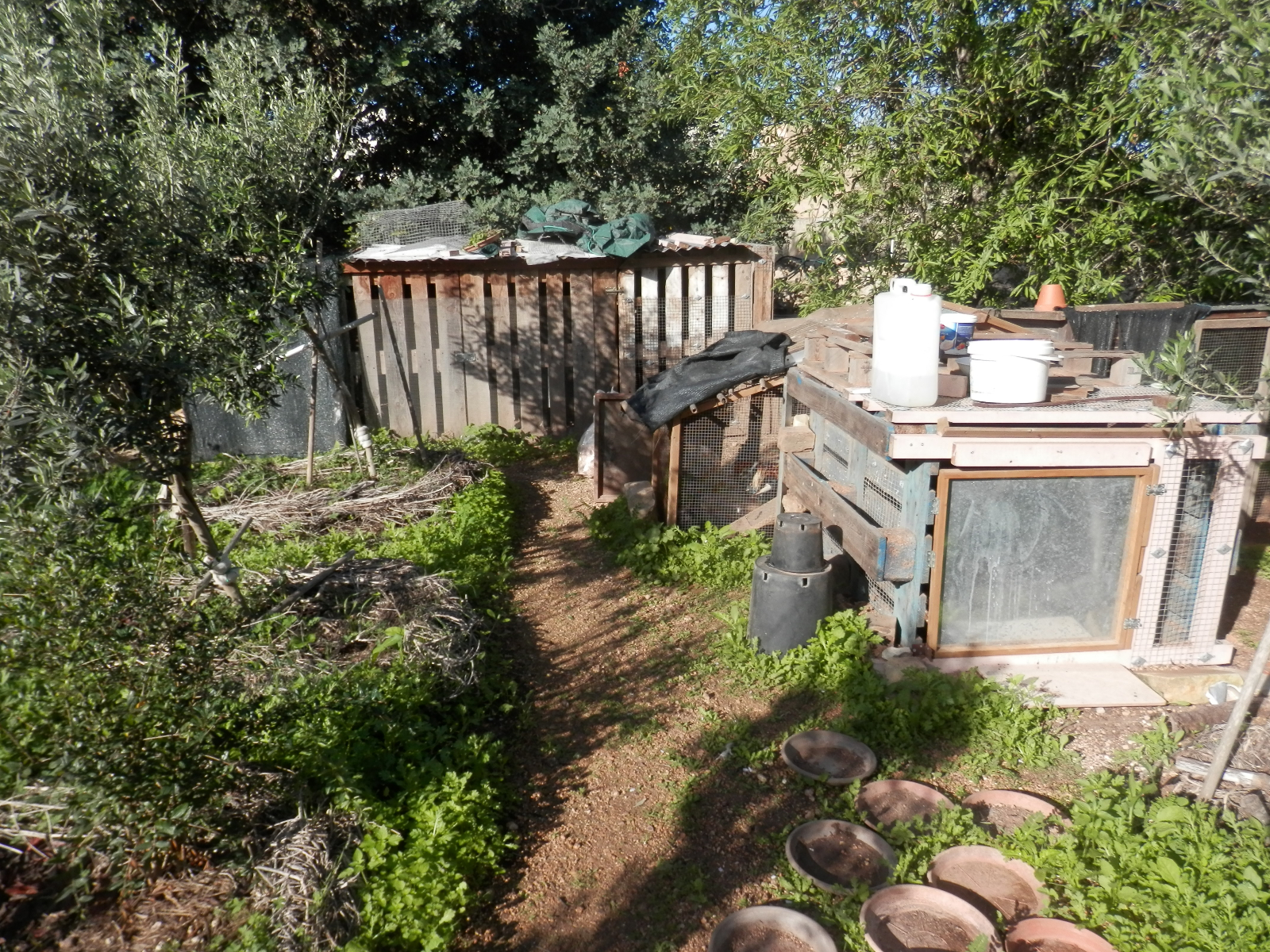
The Ocellated Skinks seem to think the weather is changing and have now moved into the ‘hot’ compost bin, along with a few young Moorish Geckos, whilst the many resident Wall Lizards (Podcaris) are still enjoying day time temperatures in the mid 20’s and a fair bit of basking on the rubble walls and dining on passing insects. The bats are still around most evenings from dusk onwards and they have their work cut out given the massive numbers of mosquitos currently about, though recent research shows that bats eat a wide range of different insects as part of their varied diet.
Trees Please
Over the summer the main aim was to help those newly planted trees survive the long hot summer months. This meant a lot of mulching and regular watering (see GG#15 for full mulch details) and I’m pleased to report all the newly planted ones made it OK. The sixteen or so Pomegranate trees and the four Loquat trees also gave us a nice first crop of fruit.
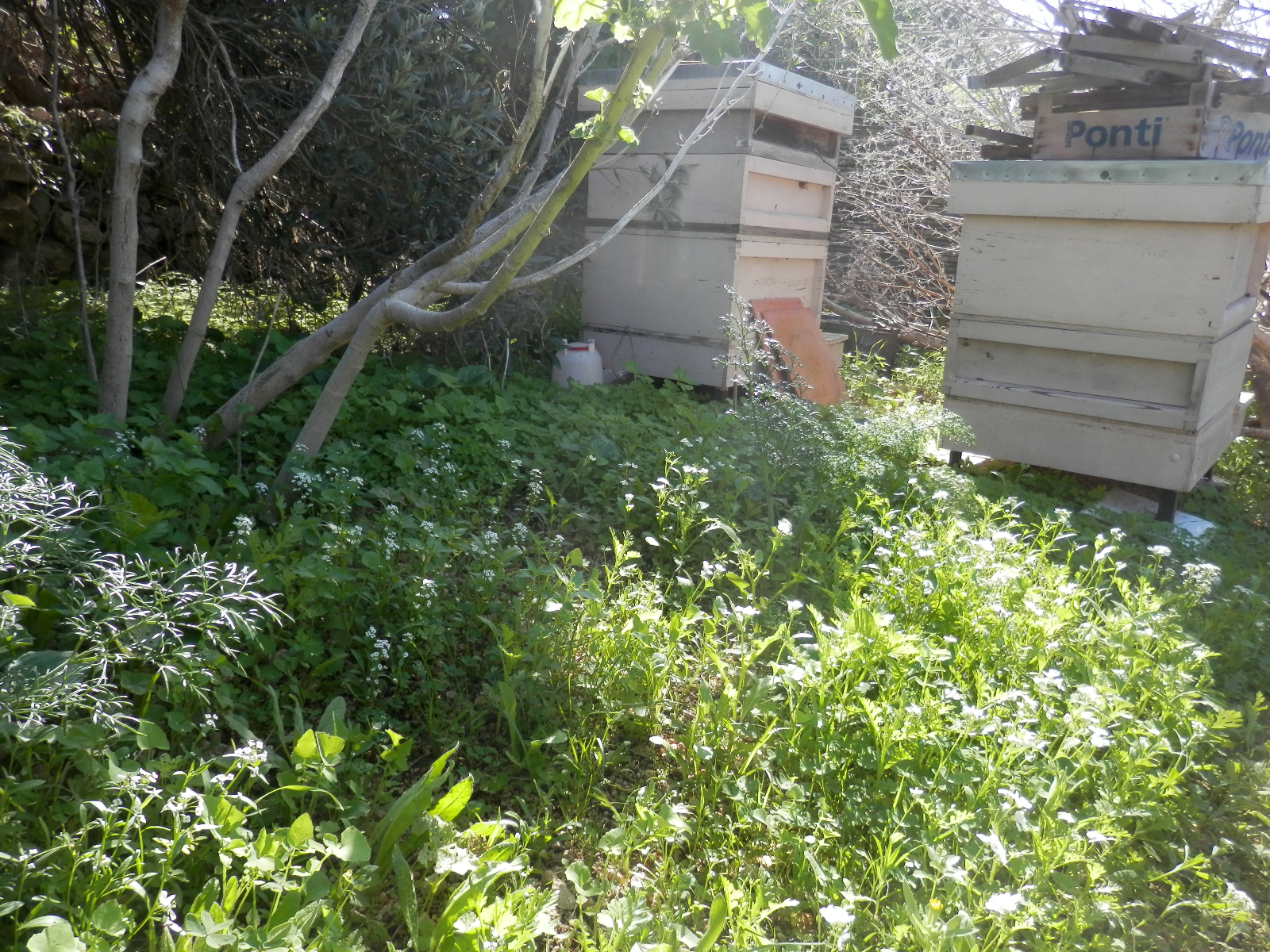
In addition, I have recently planted Apricot and Black Mulberry trees (Siġra tat-Tut) along with a couple of pollinator- friendly Chaste trees L. Vitex agnus-castus (Siġra tal-virgi in Maltese). In late summer the chaste tree produced beautiful, bluish-purple flowers, which the bees love. The black, pepper-like seeds are now beginning to ripen and perhaps give the shrub the alternative name of ‘Monk’s Pepper.’
Other new indigenous plant additions include the (poisonous) and smelly Stinking Trefoil Bean tree (L. Anagryis foetedia). It’s an ultra-drought-tolerant member of the Fabaceae (pea) family. The plant illustrates one of the best drought-resisting strategies of Mediterranean flora: the plant keeps its leaves through autumn, winter and spring, then it goes completely deciduous in summer, becoming dormant and highly resistant to drought.
As for the name, well according to Wikipedia, the shrub has a wide variety of vernacular names in the languages spoken around the Mediterranean, most of them alluding to its foul smell and poisonous properties. Into the former category fall the French bois puant and the Italian legno puzzo – both meaning “stinkwood” – and the Spanish hediondo meaning simply “stinker” It’s a nitrogen fixing ‘pioneer’ species and attractive to both insect pollinators and birds.
Another newly planted tree is a Hackberry (L. Celtis australis) also known as Southern or European Nettle Tree. The fruits are edible and attractive to birds. The tree is supposed to have been the Lotus of the ancients, whose fruit Herodotus, describes as sweet, pleasant, and wholesome. Homer has Ulysses refer to the “Lotus-eaters” and the “lotus” in Odyssey, Book IX.[12]. Again, it’s another drought tolerant tree well suited to Gozo’s tough climate conditions.
Inspiring Gardens – Argotti Botanic Gardens, Dawwara Nursery and the ‘G10T’ project
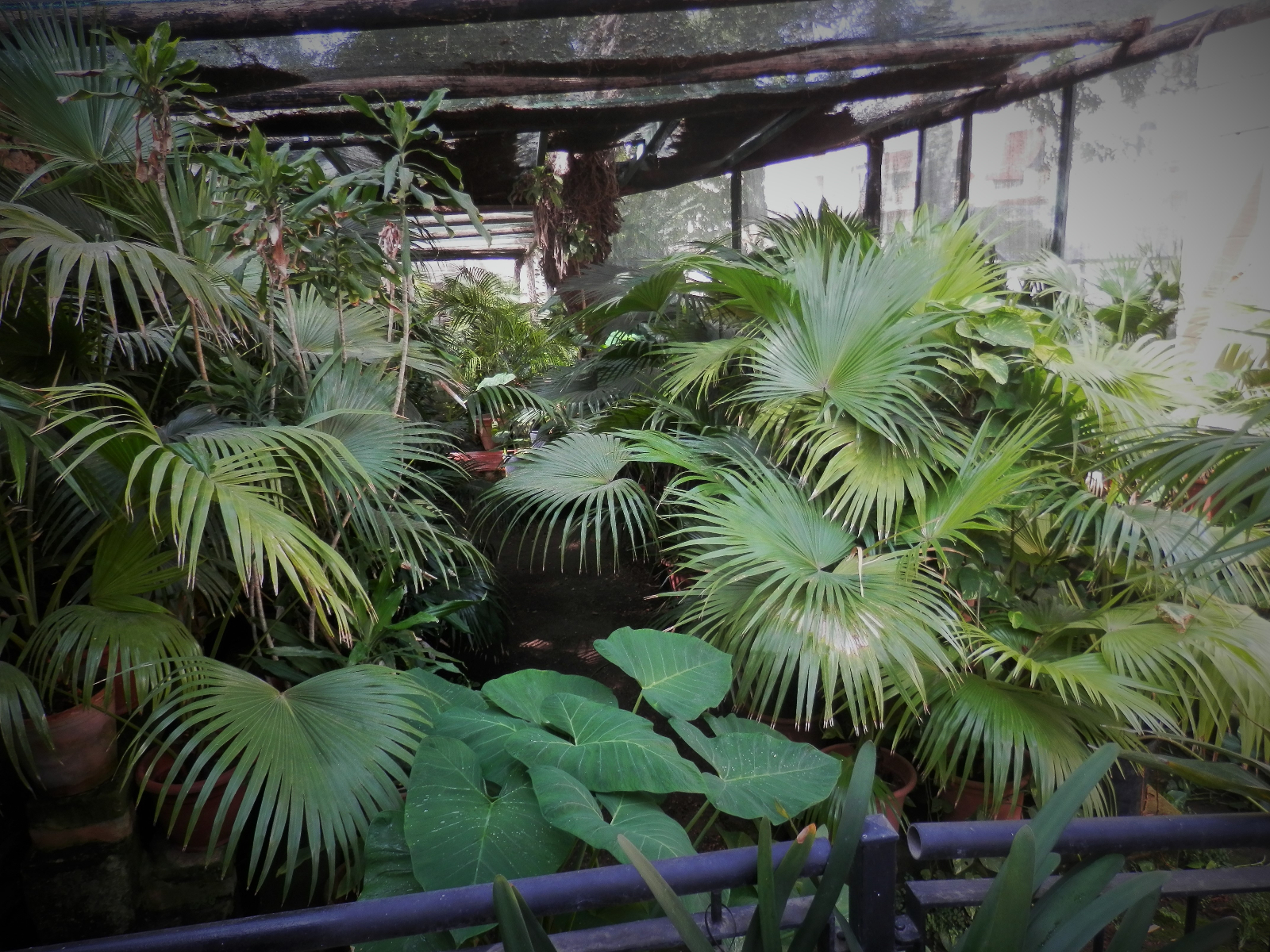
As part of a visit for Siġar volunteers and supporters, I enjoyed an informative and enjoyable garden visit and guided 90-minute tour, expertly led by the garden’s new curator, Christian Borg. Founded in the 18th century, Argotti Botanic Gardens, in Floriana on Malta, is the Commonwealth’s third-oldest botanical garden. Today, it maintains the national herbarium and a diverse botanical collection that includes a Mediterranean section.
The gardens also play a role in education and research through collaborations with several University of Malta departments, including Biology, Conservation and Built Heritage, Architecture and Urban Design, and the Institute of Earth Systems.
Research projects have focused on plant conservation, ecology, and bioactive plant extracts, while the site continues to serve as an open classroom for primary and secondary school students or for anyone interested in learning more about the rich and diverse range of plant species found on the Maltese Islands. Following the tour, the group walked on to Friends of the Earth Malta to learn about the Community Garden project and their Green Resource Centre. For more information, visit https://www.um.edu.mt/services/resourcecentres/argotti/highlights/ and https://foemalta.org/
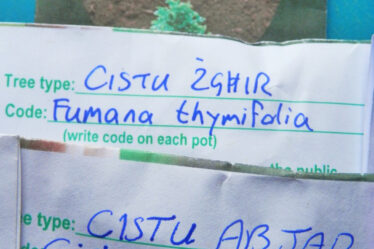
Another memorable visit included a guided tour of the Dawwara Nursery based in Rabat on Gozo. This specialized nursery facility is dedicated to the propagation and cultivation of indigenous and endemic plants and trees. Here, young plants, seedlings and cuttings are grown under controlled conditions in greenhouses and shade houses. Once the plants have matured and are strong enough for transplantation, they are either sold to the public or distributed to government entities and local councils. The nursery also supplies annual bedding plants for several public gardens, including Villa Rundle and the Victoria Bus Station Gardens. Source https://gozo.gov.mt/public-bodies/rural-gozo-directorate/dawwara-nursery/
Over on Malta we learnt more about the ‘Grow 10 Trees Project’ Project, which seeks to connect with proactive citizens willing to grow and nurture at least 10 local trees or plants, hence the name. These plants then contribute to afforestation projects within the Maltese Islands. Over the years, more than 4,000 saplings have been planted, primarily grown by the public.
Since its inception in May 2017, G10T has refined its operations and adjusted its targets to remain relevant to the country’s environmental needs. While maintaining its main actions, G10T has increased efforts to propagate local flora due to the limited availability of local species, as commercial nurseries typically focus on imports rather than propagation of local genetic species. This effort was made possible in May 2021 when G10T received permission to utilize part of the extensive fields surrounding Dar tal-Kleru in Birkirkara. This expansion has turned G10T into one of the leading nurseries propagating local species from local seeds. (Source: G10T website accessed 27/10/25) https://sites.google.com/view/g10t/
Reading and Weeding
Marcus Tullius Cicero, the Roman philosopher, famously said, ‘If you have a garden and a library, you have everything you need.’ So, with knowledge and nature in mind, I am taking an Autumn time out to catch up on some green reading and sort out our (post-Brexit) seed orders for the next season.
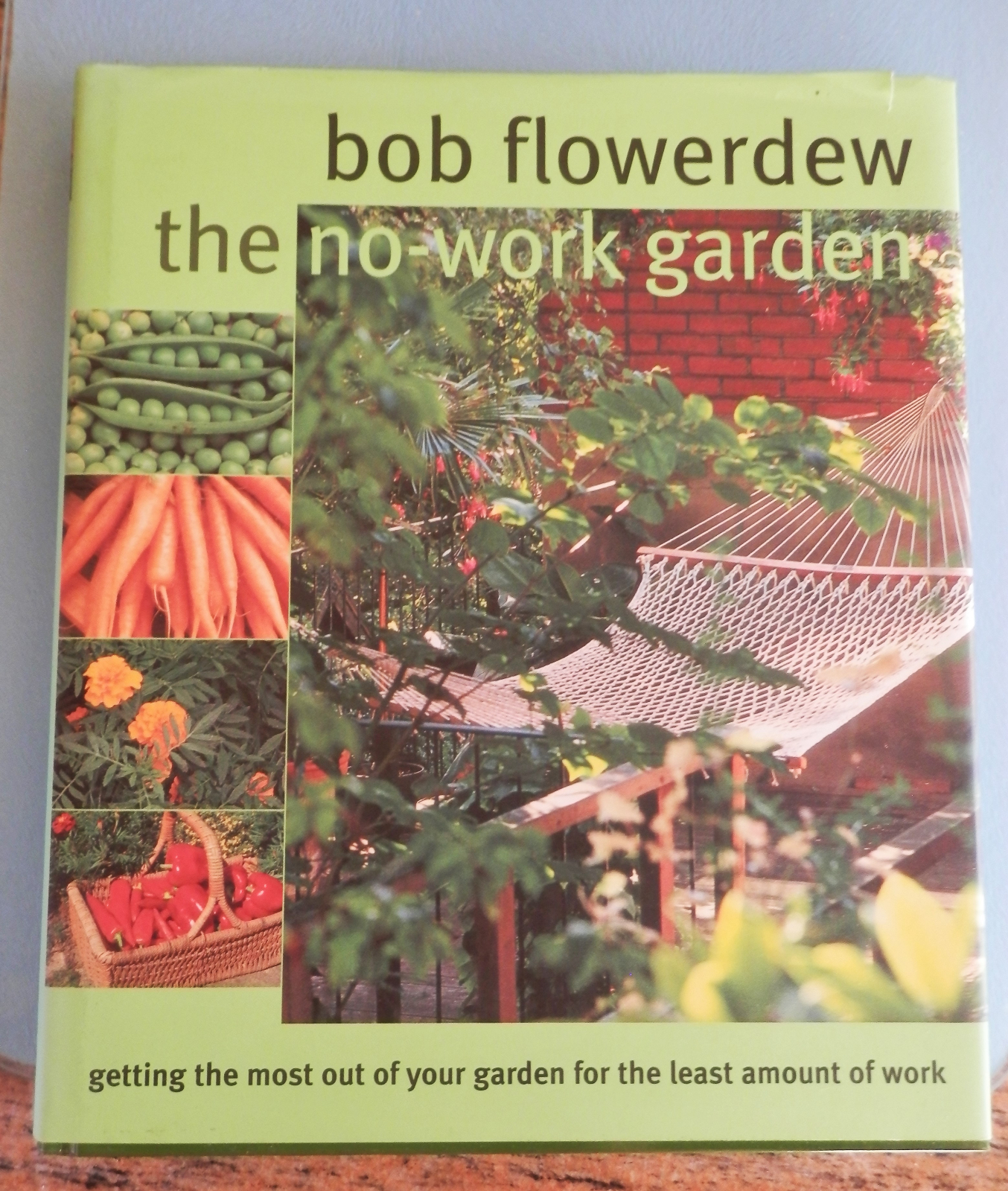
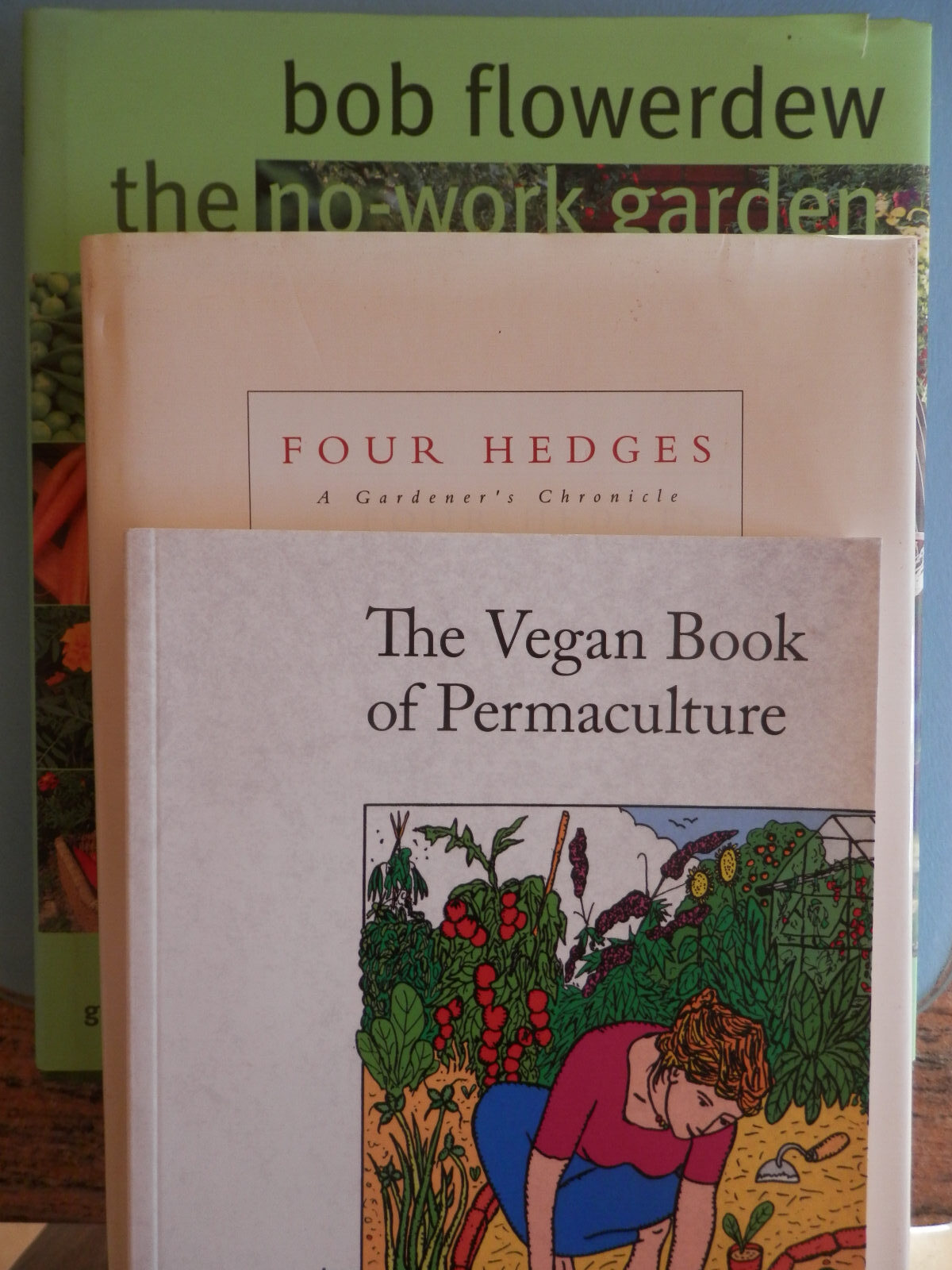
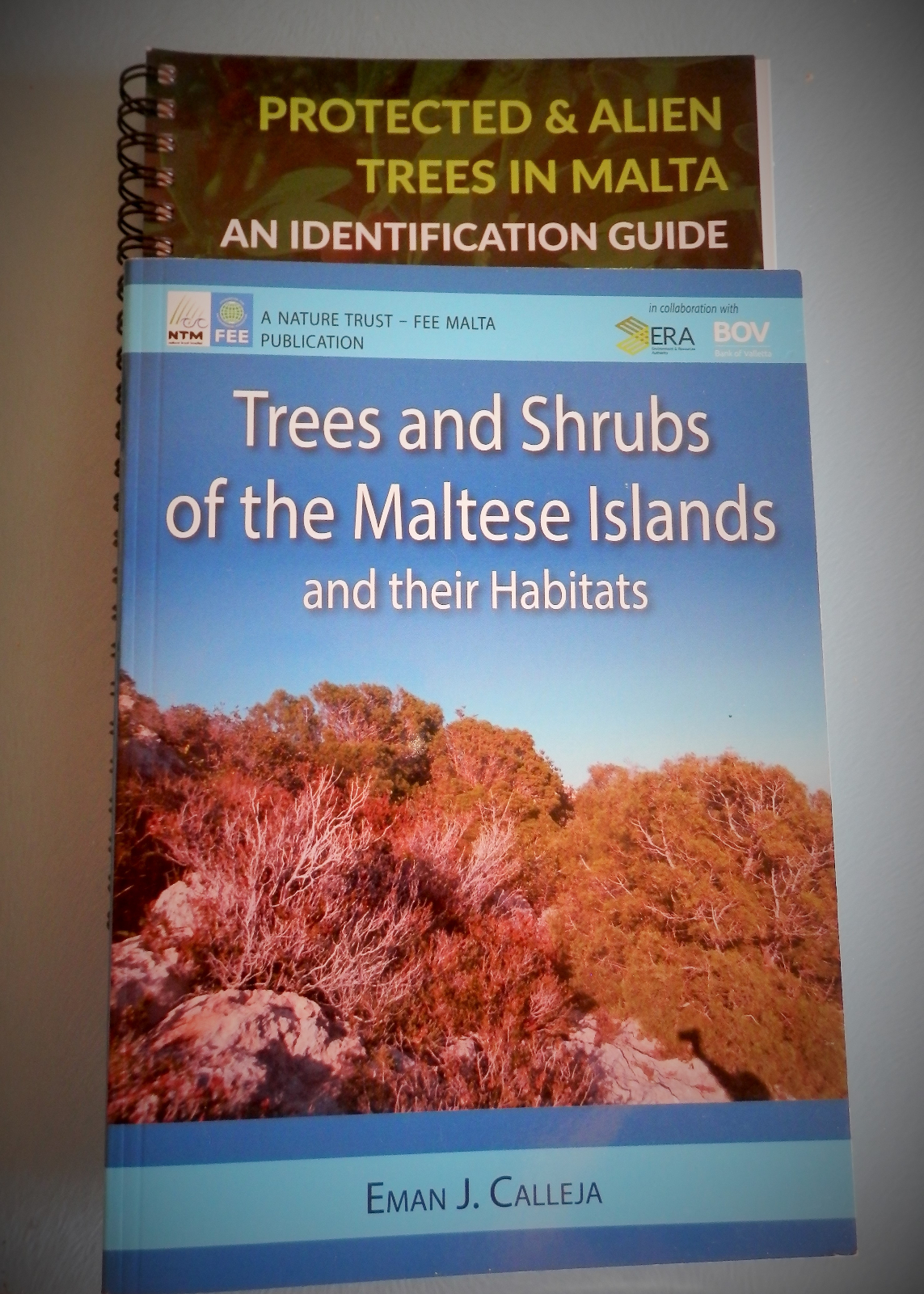
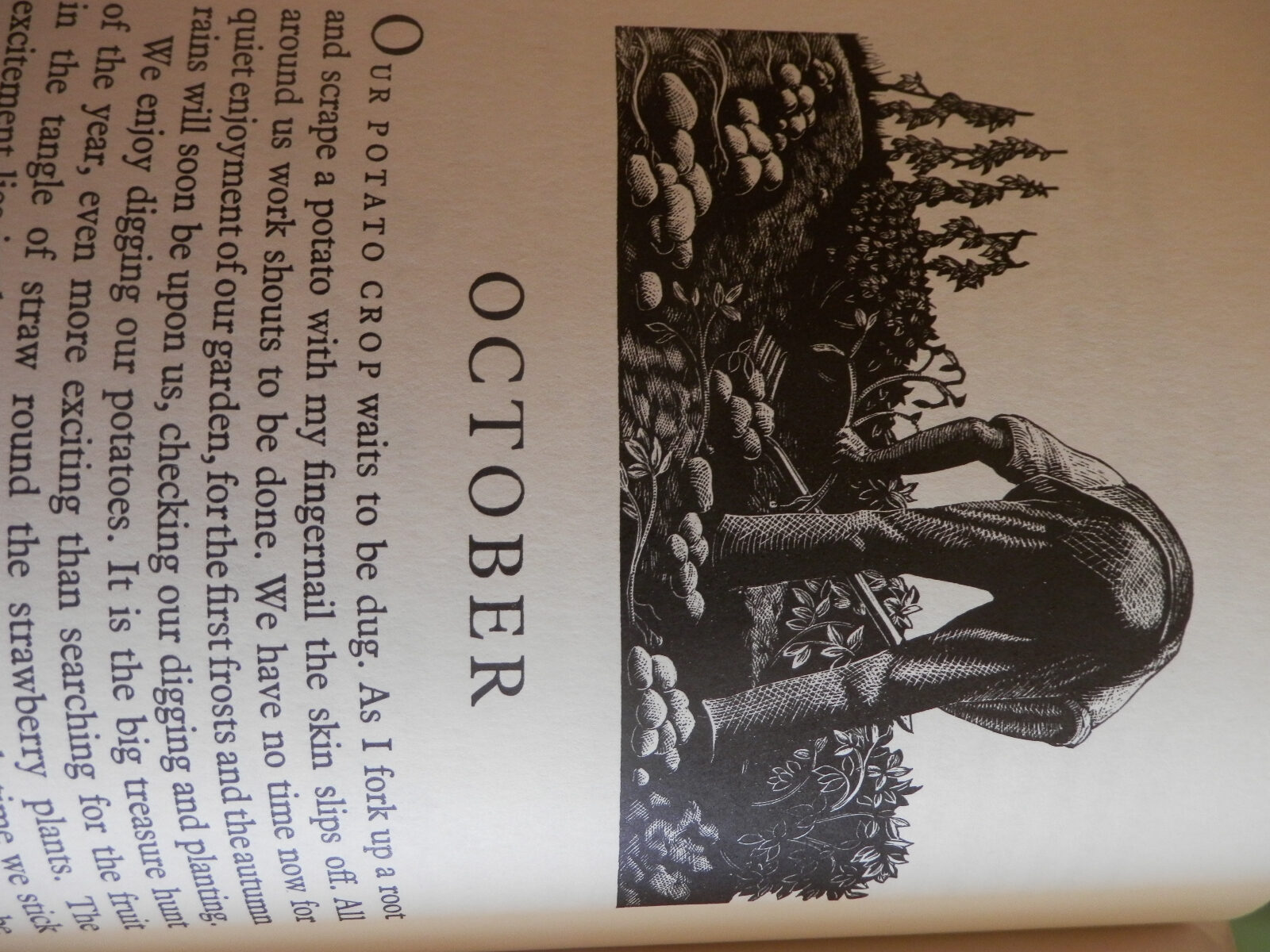
So far, I have enjoyed Bob Flowerdew’s excellent book on Composting and his attractive sounding title ‘The No-Work Garden’! Other books on my reading list include a couple of handy new identification guides to the protected tree and shrub species of Malta. Two other terrific titles are Graham Burnett’s ‘Vegan Book of Permaculture (Permanent Publications 2021 edition) and the beautifully illustrated ‘Four Hedges: A Gardener’s Chronicle’ by Clare Leighton with 88 wood engravings by the author (The Sumach Press, 1991).
Over on the field, whilst weeding I noticed the long strap-like leaves of the Sea Squills had emerged from what appeared in the summer to be a series of oversized dead bulbs.They are transformed by water and now look like something resembling small green satellite dishes ready to capture any further rainwater or dew fall that comes their way. The plant will flower next in the late summer of 2026.
Also showing are the distinctive, large feathery leaves of the endemic Giant Fennel L.Ferula Melitensis (il-ferla in Maltese) and the new growth makes it a favourite plant with Banded Snails. In time, and given the right growing conditions, the fennel will reach over 3 meters in height, and the bright yellow flowers will attract lots of pollinator species over the summer months.
Wishing everyone happy reading time and a successful and productive growing season.
Simon and Mary Wallace
Qala Gozo, October 2025