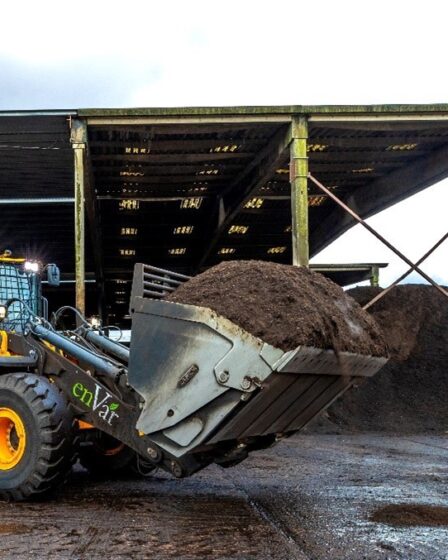
Photo courtesy of Love Essex… Do you know what you can put in your garden waste and what happens to it? Garden waste collections are for items such as grass cuttings, plants and flowers, weeds, leaves, and hedge and shrub clippings. When garden waste is collected, it is taken to an Open Windrow Composting facility. …
Gardening
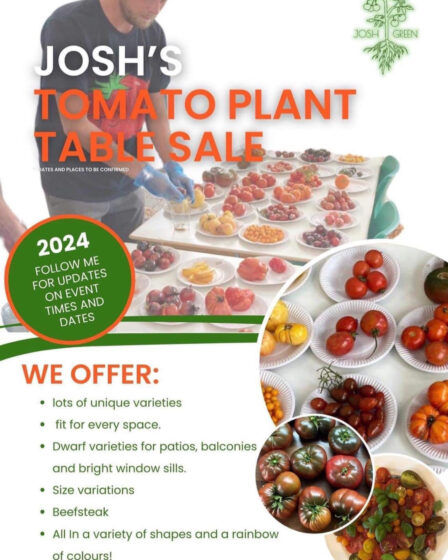
Josh’s Tomato Plant Table Sale
Definitely not to be missed if you grow tomatoes! https://www.facebook.com/josh.warner3
The Biodynamic Gardening Club
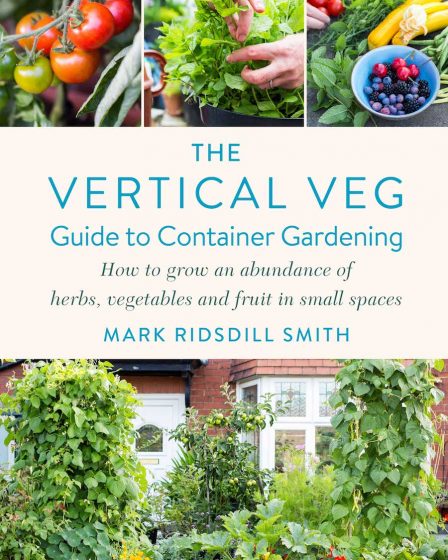
The Biodynamic Gardening Club warmly invites you to our next fabulous free webinar ” Container Gardening: How to grow an abundance of herbs, vegetables and Fruit in small spaces” 30th March 7.30pm – 8.30pm on zoom with Mark Ridsdill Smith AKA Vertical Vege Man. Biodynamic Gardening Club: Growing well-being for you and the planet …
Southend in Transition Community Allotment – Woodwork and lots more
Update from the Open Day on 5 February: Great work all indeed, Heather and Bethany cleared one of the beds, strawberries got spaced out nicely, learning to do it for the first time and doing great. Clive prepped wood and anchors for the pergola from rescued timber, Betty, Nella and Grace invented all sorts of …
Potato Peelings, a Question …
A friend told me that you shouldn’t put potato peelings onto the compost heap but didn’t know of any reason for this. Is this correct? Answer … The only reason for not composting potato peelings is that they are a potential source of the fungus that causes potato blight. Blight spores can survive only on …
What’s a Volunteer Potato?
Potatoes are often seen growing as casuals on tips and waste ground but it is the volunteer potatoes found in arable fields that are the weed problem. These arise from seeds, tubers and tuber pieces that remain in the soil following an earlier potato crop. After potato harvest there may be as many tubers left …
Can mesh netting reduce potato blight? What is potato blight?
Potato blight is still one of the most devastating potato diseases in the UK. It is a fungus (Phytopthora infestans) that has the potential completely to destroy crops. It first infects the leaves, then the infection spreads to the tubers where they rot. Potatoes grown on a garden scale are just as susceptible to the …
Harvesting and Storage
Early varieties: Will be ready at the end of May through to July, around nine to ten weeks after planting. Flowering is usually a good indicator that the tubers have reached an edible size, but not all varieties produce flowers. Dig up one plant or investigate with a trowel to see if the tubers are …
General Care
Potatoes can be ‘earthed up’ as they grow; this involves bringing soil up around the shoots to make a ridge. It helps control weeds, prevents the tubers turning green and gives some protection against tuber blight. Do it first when plants are around 15cm tall, leaving about 5cm of foliage showing. Earth up again just …
All about Planting Dates
Planting Dates will vary from year to year and around the country. The soil temperature should be at least 6C (43F). A good indication of this is when grass and weeds begin to grow, usually in March/April, but it could be later for north and east areas. Place the tubers rose end up in the …